Energy-Efficient Timber Front Doors: Traditional Character, Modern Comfort
9.11.2026
A period home deserves an entrance with character. But when an unsuitable later replacement allows cold air into the hallway, appearance is only part of the problem. For owners of Victorian terraces, Edwardian villas and traditional country houses, choosing a new energy-efficient timber front door offers an opportunity to combine architectural character with contemporary comfort.
What makes a front door energy-efficient?
The thermal performance of an entrance depends on more than the material of the door leaf. The complete construction matters: timber panels, frame, glazing, seals, threshold and installation. A useful comparison is the whole-door U-value, which measures how readily heat passes through the complete door assembly. The lower the value, the better its thermal insulation. When requesting quotations, ask for performance information relating to the actual doorset rather than relying on general descriptions.
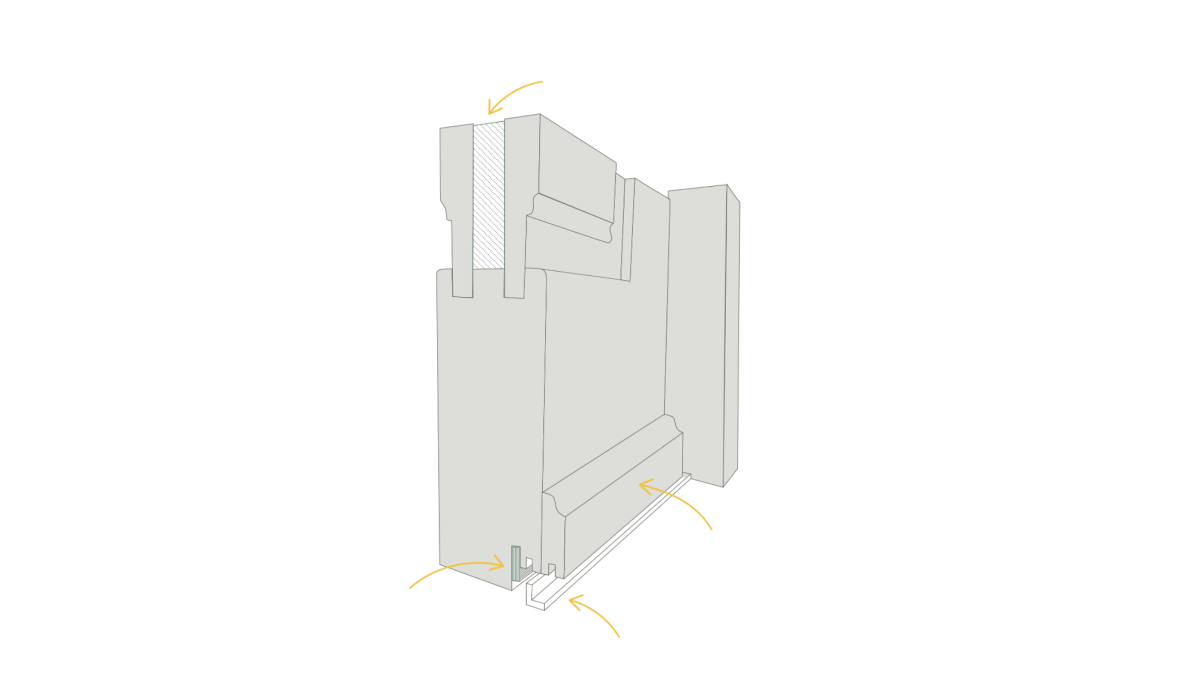
Pay attention to seals and construction
Even a substantial wooden door can feel uncomfortable if cold air enters around its edges.
Why perimeter sealing matters
Properly designed seals help limit unwanted airflow between the door and its frame. The bottom threshold deserves particular attention, as do the joints between the frame and surrounding masonry. The Energy Saving Trust highlighted draught-proofing as an important winter preparation measure in October 2026. However, unwanted draughts should not be confused with ventilation. Purpose-designed vents must remain functional.
Traditional design without compromise
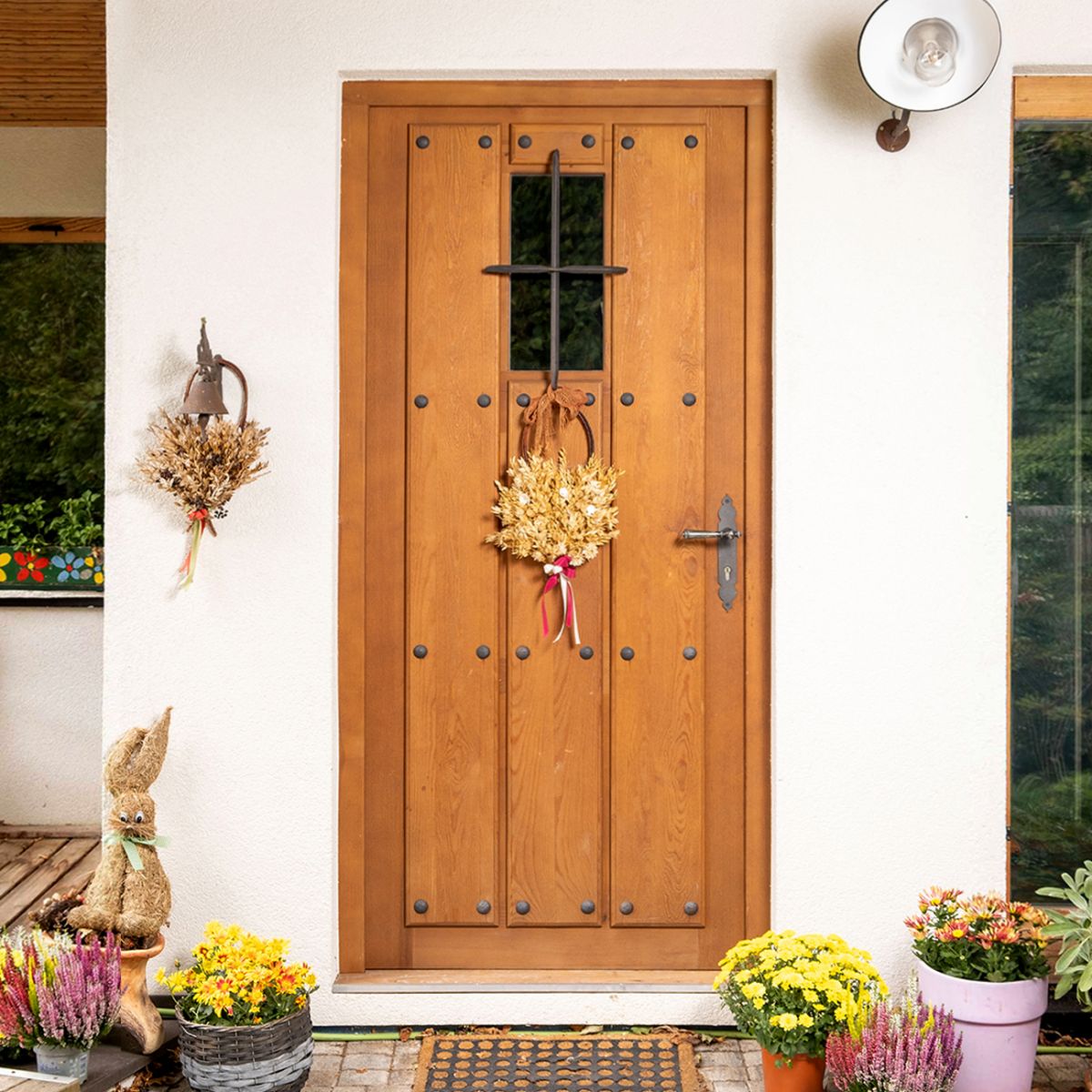
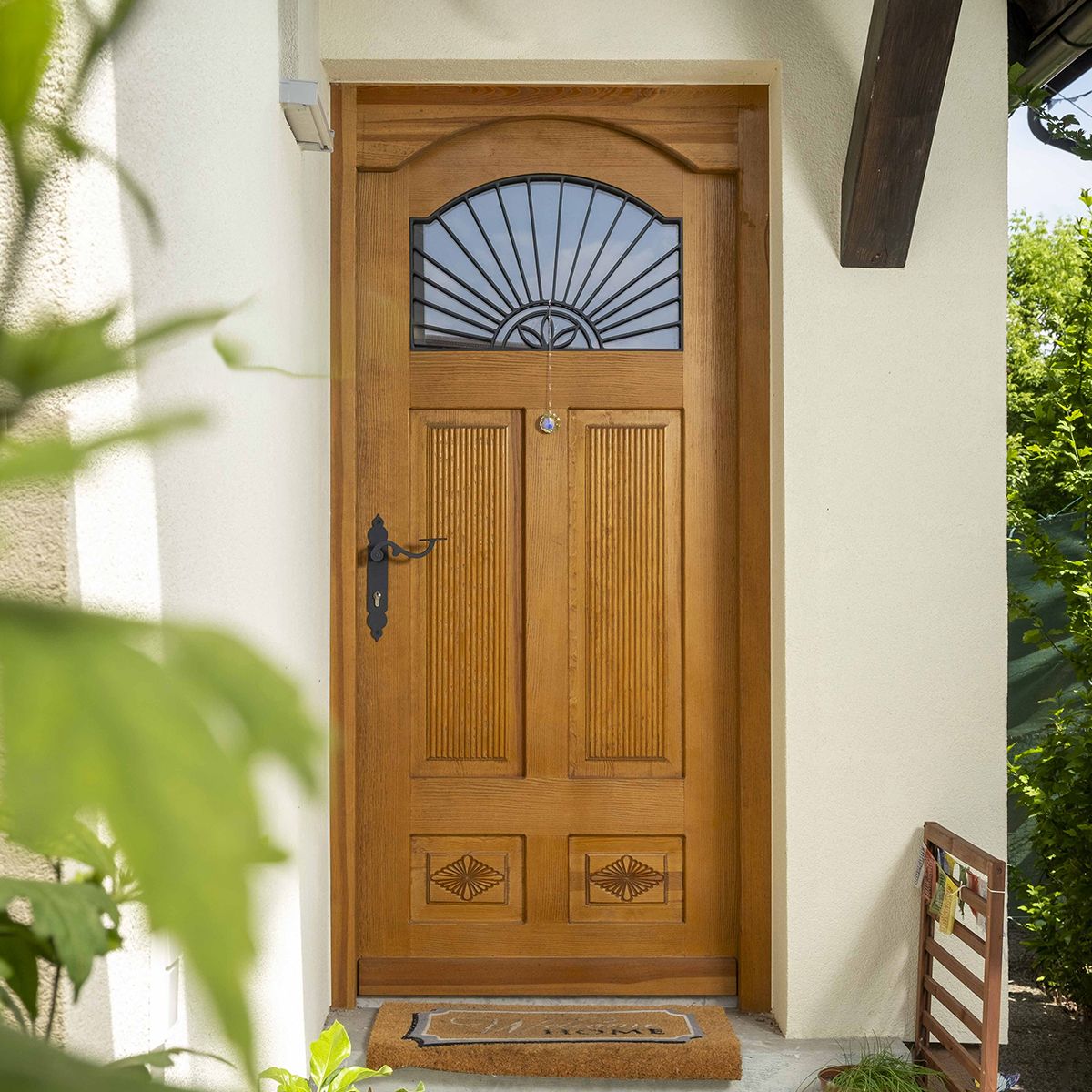
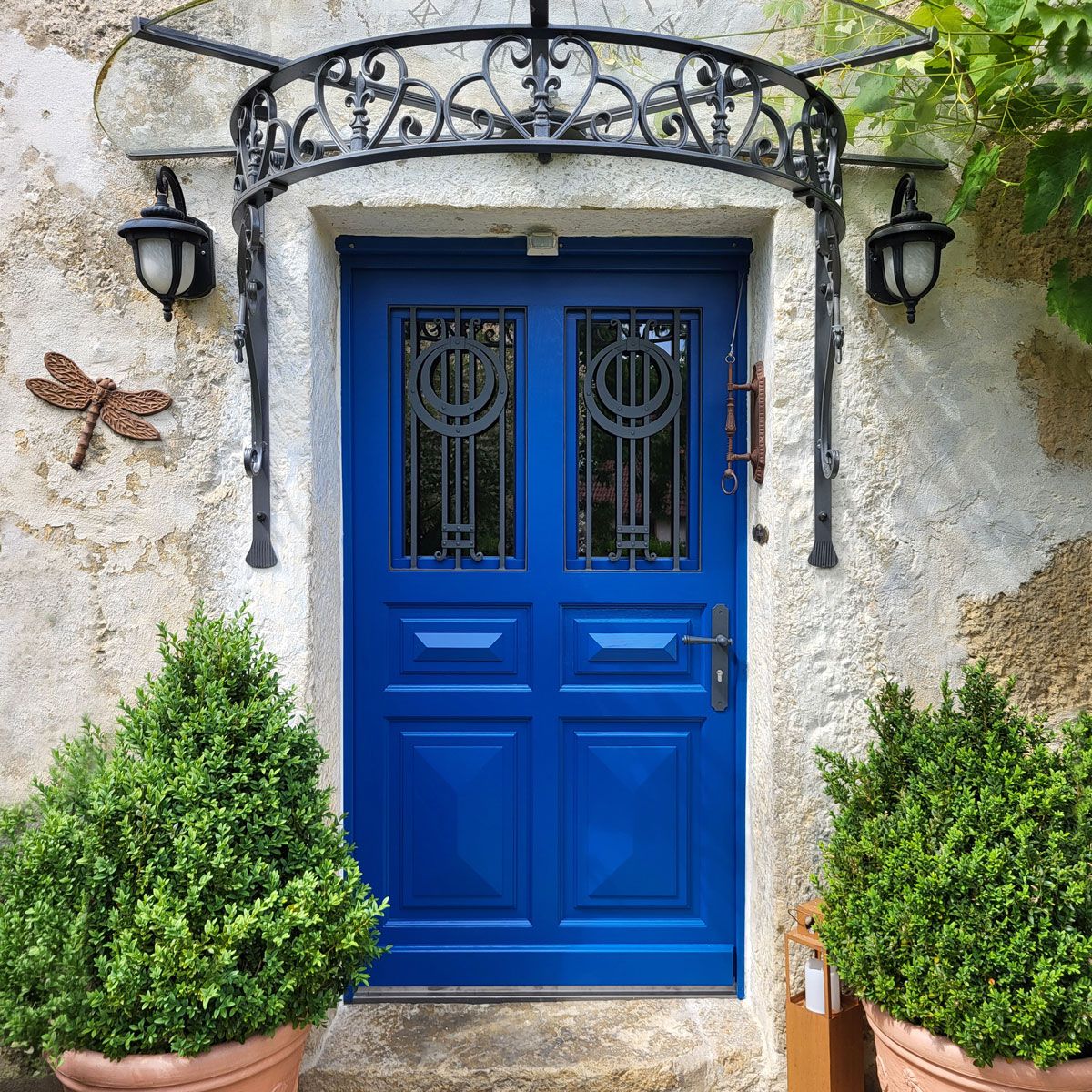
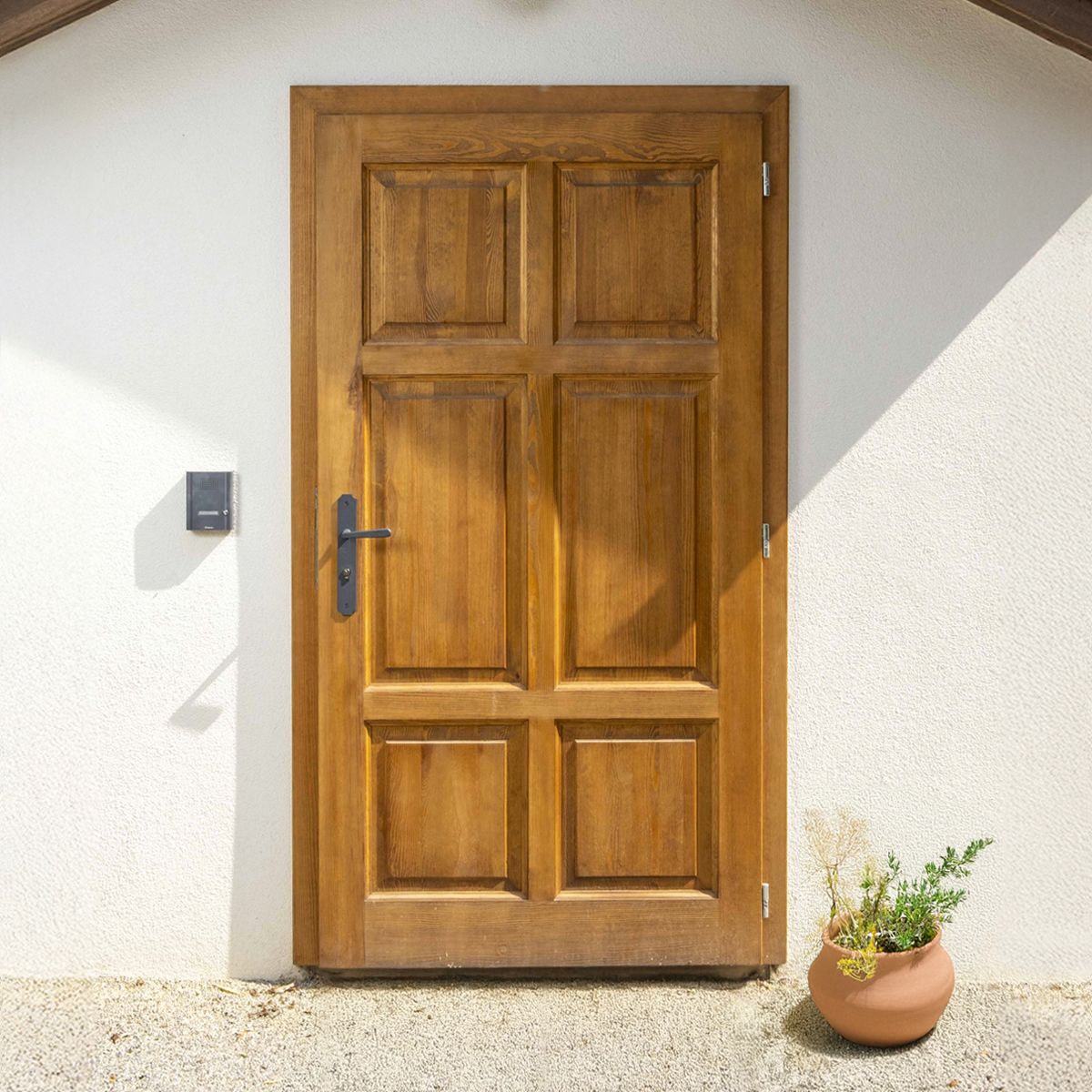
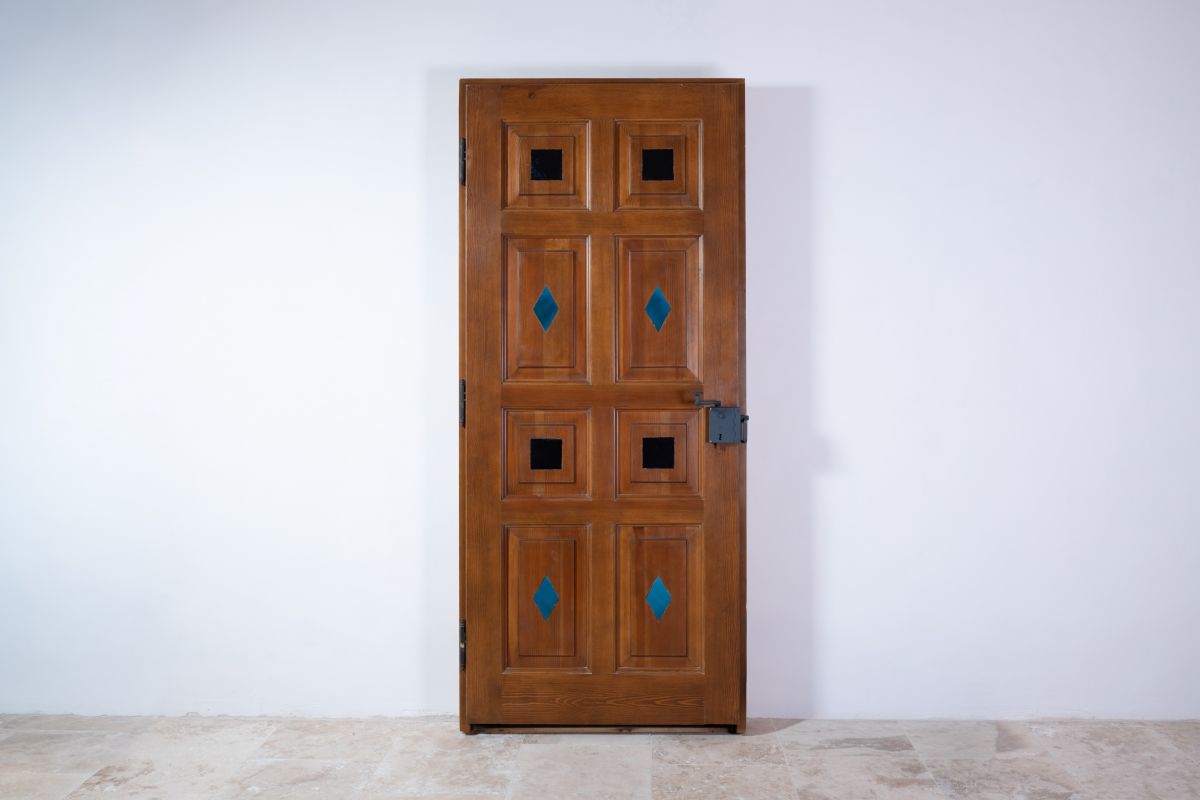
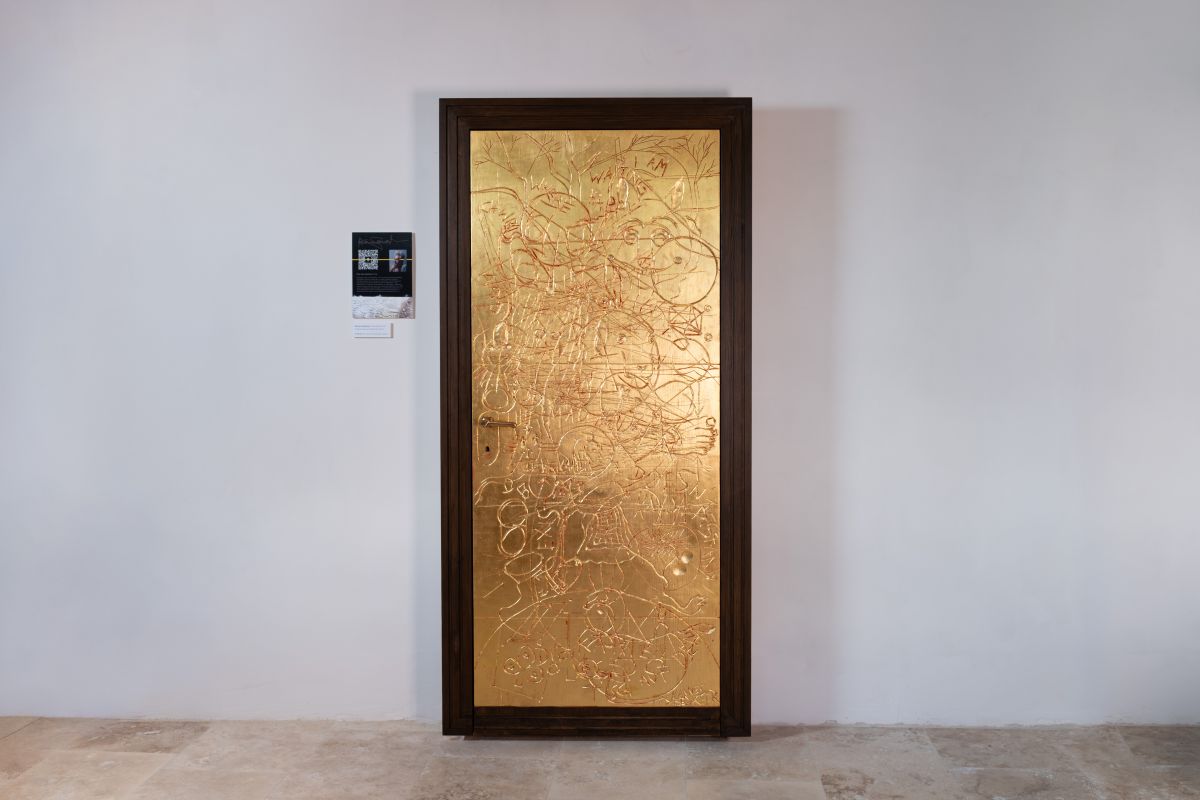
A new entrance should complement the building rather than introduce an unrelated architectural style. For Georgian-inspired houses, a traditional six-panel composition can provide an elegant solution. Doorista's Lucca reflects this classical design language. For properties where a more expressive entrance is appropriate, Granadacombines substantial wooden panels with decorative wrought iron. Both models are handcrafted from solid pine and include interior insulation, double rebates and perimeter sealing in their published specifications. These construction details are useful, although compliance must be established through the relevant technical documentation.
Consider dimensions and regulations
Period door openings often differ from modern standard sizes. A bespoke timber entrance allows the proportions of the existing architecture to guide the design. For projects in England, the applicable Building Regulations should be confirmed before ordering. Updated Part L guidance has been published, with regulatory changes generally commencing in March 2027. Listed buildings may also require consent. Historic England recommends retaining significant original doors wherever possible.
FAQ
Can a solid-wood front door be energy-efficient?
Yes. Thermal performance depends on the complete construction, including insulation, seals, glazing and installation.
Are bespoke timber front doors available?
Yes. Doorista offers custom dimensions alongside its existing collection.
Does double glazing guarantee good insulation?
No. The performance of the entire doorset must be considered.
A warmer welcome
The right entrance brings together craftsmanship, architectural character and everyday comfort.